VW 111-405-615 Drums Brake Bug
fits year: 1955.
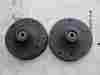
( Brand: Vw ), ( Manufacturer Part Number: 111-405-615 ), ( Part Type: Bug Brake ), ( Placement On Vehicle: Front )
Review VW Drums Brake Originals Bug fits 1955
Vintage 1955 VW Bug Drums for Type 1 Brake System Model 111-405-615
The 1955 VW Bug drums for Type 1 brake system, model number 111-405-615, represent an essential part of maintaining the reliable function and authentic character of this classic automobile. These drums have been meticulously designed and engineered by Volkswagen to deliver superior braking performance, ensuring your VW Bug remains a dependable vehicle on the road.
History:Originally manufactured by Volkswagen in 1955, these drums were a crucial component within the Type 1 brake system for the timeless Volkswagen Beetle. The designer's focus on effectiveness and durability continues to make these drums an exceptional choice for your restoration project, daily driver, or vintage car enthusiast pursuit.
Material and Construction:Constructed from high-quality steel, these drums offer superior resistance to wear and tear while providing excellent heat dissipation. The outer drum features a smooth, polished finish, allowing for efficient energy transfer and enhanced braking responsiveness. Moreover, their conventional design enables easy servicing and replacement.
Dimensions:The dimensions of the 111-405-615 VW Bug drums are 18.4 inches (467 mm) in length, 9.4 inches (239 mm) in width, and 8 inches (203 mm) in height. This dry weight measurement is approximately 27 lbs (12.3 kg). Properly fitting these drums into your VW Bug's wheel hub requires some disassembling of the spindle, brake shoes, and wheel cylinders.
Compatibility:These drums are a perfect fit for classic Volkswagen Beetles manufactured from 1954 to 1955, carrying the Type 1 brake system. Rest assured that investing in these authentic parts will keep your vintage VW Bug true to its roots.
Installation:Your VW Bug's Type 1 brake system drum assembly comprises several parts, including the wheel cylinder, drum, and brake shoes. Throughout the installation process, ensure the wheel cylinder is taught against the drum when there is no pressure on the brake pedal. Additionally, the mounting surfaces need to be clean and free of all contaminants for the best possible fit and maximum braking performance.
Brake Operation:The VW Bug's hydraulic system, comprised of the master cylinder, wheel cylinder, and brake shoes, act upon the drum to produce friction needed for stopping the vehicle. The pressure from the hydraulic system causes the brake shoes to expand, forcing the drum to rotate, and therefore, creating the friction required to stop your 1955 Beetle.
Additional Notes:Routine drum maintenance, including regular inspections and occasional turning or resurfacing, is essential for optimal braking performance. As your 111-405-615 drums exhibit age-related wear, address concerns as necessary to prevention potential performance issues and ensure a reliable driving experience for your beloved VW Bug.
Buying a 1955 VW Bug with 111-405-615 drums brakes can be an exciting venture for a classic car enthusiast. Here are some pros and cons to help you make an informed decision:
Pros:1. Authenticity: Owning a 1955 VW Bug with original drums brakes preserves the authenticity of the car and adds to its value in the classic car market.
2. Simplicity: Drum brakes were the standard technology at the time, and many classic car enthusiasts prefer their simplicity. They require less maintenance than modern disc brakes and do not produce as much brake dust.
3. Cost-effective: Replacing or maintaining original drum brakes can be cost-effective compared to upgrading to disc brakes.
4. Nostalgic appeal: For those who love the classic look and feel of the VW Bug, having the original drum brakes adds to the overall appeal of the car.
Cons:1. Performance: Compared to modern disc brakes, drum brakes provide less stopping power and take longer to stop the car. This could be a concern for those who plan to use their VW Bug for long trips or heavy commuting.
2. Maintenance: While drum brakes require less maintenance than modern disc brakes, they still need regular attention. This includes regular adjustments, brake shoe replacement, and cylinder refocusing.
3. Handling: Drum brakes can affect the handling of the car, especially during hard braking or cornering. This can make it difficult to control the car, especially for those who are not used to driving with drum brakes.
4. Availability: Replacement parts for 1955 VW Bug drums brakes may be harder to find compared to modern brake systems, which could increase repair costs.
In conclusion, buying a 1955 VW Bug with original drums brakes can be a great investment for those who value authenticity, simplicity, and the nostalgic appeal of classic cars. However, it is essential to consider the potential drawbacks, such as reduced performance, additional maintenance requirements, and handling concerns. Ultimately, the decision to buy a 1955 VW Bug with drums brakes depends on personal preferences and driving needs. If you are looking for a reliable daily driver or plan to use the car extensively, upgrading to disc brakes may be a better option. If you are a classic car collector or prefer the traditional feel of drum brakes, then the 1955 VW Bug with original drums brakes could be a worthwhile investment.
In summary, the possibility of purchasing a 1955 VW Bug with 111-405-615 drums brakes has its advantages and disadvantages. Authenticity, cost-effectiveness, and nostalgic appeal are some positives, while performance, maintenance requirements, handling, and availability are potential negatives. By weighing these factors against personal preferences and driving needs, one can make an informed and fulfilling decision. If you value the classic look and feel and are willing to accept the limitations of drums brakes, then a 1955 VW Bug with original drums brakes may be the perfect choice.
Details:
If you prefer other services than the post office I will gladly give you a quote upon your request. Most items are picked at swap meets, yard sales, estate sales and or barn finds.
I rarely set reserve prices, I just let the Er's decide that and I try to keep shipping handling prices to a minimum.
Doesn mean I can't ship FedEx or ups.
One has the original bearing but it would be wise to change them both before you install.
part #: 111405615 prices
- $59.99-$131.94
specifications drumhardwarbrak:
- for years: 1955
- brand: Vw
- mpn: 111-405-615
- part type: Bug Brake
- placement on vehicle: Front
Returns drumhardwarbrak:
- policy: returns accepted
- type: Money Back
- time: 14 Days
- paid by: Buyer
Ratings:
- Hope to deal with you again. Thank you. 11-05-16
- Thank you for an easy, pleasant transaction. Excellent buyer. A++++++. 11-04-16
- Fast service Thank you 11-02-16
- Great buyer! Fast Payment! 11-05-16
- Hope to deal with you again. Thank you. 11-03-16
Payments drumhardwarbrak:
- PayPal
- CashOnPickup
Shipping drumhardwarbrak:
- type: NotSpecified
Seller drumhardwarbrak:
- city: Los Angeles, California
- zipcode: 90001
Offer drumhardwarbrak:
- quantity: 1
- best offer: true
- # Sold: 0
- # bids: 0
- Started: November 10, 2016, 10:51 pm
General drumhardwarbrak:
- Motors > Parts & Accessories > Car & Truck Parts > Brakes & Brake Parts > Drums & Hardware
- condition: Used
- in stock: Yes
Vw 111-405-615 Is Similar To:
- 03.0137-9702.2 Ate Vw Touareg Parking Brake Repair Kit Automatic Adjustment (28.3% similar) Used parking brake spreader actuator fits many Audi, Vw and more...(August 25th, 2018)
- 1 Vw German Fits Bug 1968 111-405-615b Type Brake 1977 Front Beetle Drum (40.3% similar) 1 new German made 230MM max...(March 8th, 2015)
- 113-405-615d Unbranded New Brake Drum For Vw Super Beetle Type Front (46% similar) Diameter brake drum for the front of: Vw super beetle type please e-mail me with any questions...(September 15th, 2018)
- 113698237dkit Motorwerks Drum Brake Hardware Kit Front Fits Vw Beetle (29.8% similar) This part fits vehicles made in the following years 1958 , 1959 , 1960 , 1961 , 1962 , 1963...(July 11th, 2018)
- 113698537bkit Motorwerks Drum Brake Hardware Kit Rear Fits Vw Beetle (31.9% similar) ...(July 11th, 2018)
- 113698537ckit Motorwerks Drum Brake Hardware Kit Rear Fits Vw Beetle (31.9% similar) ...(September 26th, 2018)
- 123.33019 Centric Parts Brake Standard Rear Fits Vw Passat (33% similar) Parts hawk millions of parts. Crazy fast shipping...(March 3rd, 2018)
- 123.99020 Centric Parts Brake Standard Rear Fits Vw Polo (27.7% similar) Got 'my ' and on purchase history. In on the right side of screen item you bought 'more actions. Brand: enteric part numbers: 122. Brake drum-c-teak standard preferred rear enteric 123. Superseded part numbers this item may have been from a different number manufacture...(August 12th, 2018)
- 123.99024 Centric Parts Brake Standard Rear Fits Vw Amarok (27.2% similar) Parts hawk millions of parts. Crazy fast shipping. Superseded part numbers this item may have been from a different number manufacture. In item condition: new: brake drum manufacturer brand c-teak standard drum-preferred quantity needed: 2 position: rear specifics: other part number: 122. 99024PART ...(August 12th, 2018)
- 131.405.615a Empi Brake Drums Front Brand Fits Vw Beetle Karmann Ghia (45.6% similar) 615A or these fit: Vw beetle 1967 VW karma Gaia thing two new old stock amp brand front brake drums, part number drums have developed some surface oxidation from years of storage...(March 2nd, 2019)
- 131698237ckit Motorwerks Drum Brake Hardware Kit Front Fits Vw Beetle (29.8% similar) ...(September 26th, 2018)