PROFESSIONALS CHOICE GP8948 Rear Brake Drum Plymo 756632100945
fits make: Chrysler, Dodge. year: 1984–1994.
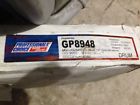
( Brand: Professionals Choice ), ( Manufacturer Part Number: GP8948 ), ( Part Type: Brake ), ( Placement On Vehicle: Left ), ( Fitment Type: Direct Replacement ), ( Aaia Part Type Description: Brake Drum ), ( Key Search Words 80: Replacement Brake Drum; Brake Drum ), ( Bolt Circle Diameter: 3.94 ), ( Life Cycle Status Description: Available To Order ), ( Slang Description 80: Drums; Wheel Drums ), ( Brake Surface Width: 45.3 ), ( Outside Diameter: 9.87 ), ( UPC: 756632100945 ), ( Outer Cooling Fins: No )
Review PROFESSIONALS CHOICE Rear Brake Drum Chrysler dodge plymo fits 1984–1994
Chrysler-Dodge-Plymouth Rear Brake Drum GP8948: A Superior Replacement Solution for Your Vehicle's Braking System
Introduction:Finding the right brake drum for your Chrysler, Dodge, or Plymouth vehicle can be a challenging task, especially if you're seeking an OE-quality replacement part that guarantees optimal braking performance and fits your specific model perfectly. In this detailed product description, we introduce you to the Chrysler-Dodge-Plymouth Rear Brake Drum GP8948, the professionals' choice for most 1984 to 1994 vehicles in this model range.
Brake Drum Construction:Manufactured by a trusted aftermarket supplier, this rear brake drum for Chrysler, Dodge, and Plymouth models boasts a robust design that closely mirrors the OE counterpart in terms of dimensions, material quality, and manufacturing precision. Each drum is machined from high-strength cast iron, offering superior heat dissipation and resistance to warping or cracking over time. The internal and external surface finishing is smooth and even, ensuring proper friction coating adhesion for consistent pad-to-drum contact to optimize braking performance.
Dimensions and Fitment:The Chrysler-Dodge-Plymouth Rear Brake Drum GP8948 is designed to cover a wide range of applications within the 1984-1994 Chrysler, Dodge, and Plymouth model lineup. Specifically, it fits the following vehicles:
- Chrysler: New Yorker, LeBaron, Cirrus, Town & Country
- Dodge: Caravan,Colt, Daytona, Shadow, Spirit, Stratus, Avenger, Dynasty, Intrepid, Lancer, Neon, Ram 1500, Shadow, Spirit, Stratus, Avenger
- Plymouth: Grand Voyager, Breeze, Voyager, Neon, Caravelle, Horizon
For precise identification of your vehicle's specific requirements, it's essential to consult your owner's manual or use the OEM part number cross reference charts provided by the manufacturer.
Designed to Last:This OE-grade rear brake drum benefits from thoughtful engineering, utilizing tried-and-true coating technologies to resist corrosion and extend its service life. Not only will this replacement drum provide reliable stopping power right out of the box, but it's also painstakingly engineered to meet or exceed the OEM part's expectations for durability and resistance to wear, ensuring you're investing in a long-term braking solution for your vehicle.
Conclusion:The Chrysler-Dodge-Plymouth Rear Brake Drum GP8948 is the go-to solution for professionals seeking a high-quality, dependable, and precise replacement drum for their Chrysler, Dodge, or Plymouth vehicles from the 1984 to 1994 model years. By combining superior material quality, precise manufacturing, and optimal fitment, this professional-grade brake drum is ready to deliver unrivaled braking performance while simplifying your installation process thanks to its one-size-fits-all design. Don't compromise on your vehicle's safety - upgrade to the Chrysler-Dodge-Plymouth Rear Brake Drum GP8948 today and enjoy the peace of mind that comes with knowing your braking system is in expert hands.
Pros and Cons of Buying Chrysler-Dodge-Plymouth Rear Brake Drum GP8948 (1984-1994)
Introduction:The Chrysler-Dodge-Plymouth rear brake drum GP8948 is a critical automotive part, primarily used in vehicles manufactured between 1984 and 1994. it is essential to consider both the advantages and disadvantages before making a purchase to ensure a well-informed decision.
Pros (Advantages):1. Availability: This part is widely available from various automotive stores, both online and offline, ensuring that it can be easily sourced and replaced.
2. Cost-Effective: Compared to other brake systems, the cost of acquiring a rear brake drum like the GP8948 is relatively low. This can save significant amounts in repair and maintenance costs over the life of the vehicle.
3. Durability: These brake drums are designed to last a long time. Typically, the service life of a brake drum is between 70,000 to 100,000 miles under normal driving conditions.
4. Easy Installation: The installation process for a rear brake drum is generally straightforward and can be done by anyone with some mechanical aptitude.
Cons (Disadvantages):1. Limited Technology: While the traditional drum brake system has been the standard for many years, it is less efficient and less responsive than modern disc brake systems. This can result in longer braking distances and reduced overall performance.
2. Brake Fade: Over time, the brake drum can heat up during heavy braking. This causes the drum to expand, reducing its effectiveness, and requiring more pressure to stop the vehicle. This issue can lead to decreased brake performance and increased wear on other components.
3. Brake Pedal Vibration: The vibration of the brake pedal is a common issue with drum brakes. This is due to warped brake drums or other related mechanical problems, which can make for an uncomfortable driving experience and potentially lead to further issues if not addressed.
Conclusion:Considering the Pros and Cons outlined, purchasing the Chrysler-Dodge-Plymouth rear brake drum GP8948 for 1984-1994 vehicles can be a cost-effective solution that ensures the longevity of the vehicle's braking system. However, it is essential to be aware of the limitations, such as limited technology, potential brake fade, and brake pedal vibration. Regular inspections and maintenance are crucial to mitigate these issues and ensure the safety and reliability of the vehicle.
Recommendation:My recommendation would be to weigh the importance of cost savings and reliability against performance and comfort. If the vehicle is mainly used for short trips, light use, or commuting, the Chrysler-Dodge-Plymouth rear brake drum GP8948 is a viable choice that's easy to source and install. However, for those seeking more responsive and efficient braking, I would recommend investigating the cost and feasibility of upgrading to a disc brake system. Ultimately, the decision depends on individual preferences and circumstances.
Details:
part #: gp8948 prices
- $44.99-$66.74
specifications drumhardwarbrak:
- for makes: Chrysler, Dodge
- for years: 1984-1994
- brand: Professionals Choice
- mpn: Gp8948
- part type: Brake
- placement on vehicle: Left
- fitment type: Direct Replacement
- aaia part type description: Brake Drum
- key search words 80: Replacement Brake Drum; Brake Drum
- bolt circle diameter: 3.94
- life cycle status description: Available To Order
- slang description 80: Drums; Wheel Drums
- brake surface width: 45.3
- outside diameter: 9.87
- upc: 756632100945
- outer cooling fins: No
Offer drumhardwarbrak:
- bids: 0
- best offer: true
- quantity: 1
- Sold: 0
- Started: July 22, 2018, 12:35 pm
Ratings:
- Quick response and fast payment. Perfect! THANKS!! 07-13-18
- Great buyer, prompt payment, valued customer, highly recommended! 07-11-18
- Great communication. A pleasure to do business with. 07-14-18
- S LIKE YOU IS WHAT MAKES ME LOVE WHAT I DO! JUST SENSATIONAL!!! 07-15-18
- Super fast payment, thank you! On its way today! 07-09-18
Seller drumhardwarbrak:
- city: Summerfield, Florida
- zipcode: 34492
General drumhardwarbrak:
- condition: New
- motors > partsaccessories > cartruck parts > brakes motors > drumshardware brakes
- in stock: Yes
Shipping drumhardwarbrak:
- handling: 2 days
- type: Calculated
Payments drumhardwarbrak:
- PayPal
Returns drumhardwarbrak:
- time: 14 Days
- type: Money Back
- policy: returns accepted
- paid by: Buyer
Professionals Choice GP8948 Is Similar To:
- 125216 Professionals Choice Brand New (53.6% similar) Warranty months from date of purchase. Shipping price based on lower 48 USA only. Please for cost of shipping outside the lower 48...(December 24th, 2017)
- 125385 Professionals Choice New Professional Rear Brake Drum Fits Vehicles On (59.9% similar) Warranty months from date of purchase. Shipping price based on lower 48 USA only...(June 2nd, 2018)
- 125429 Professionals Choice Brand New (55.7% similar) Warranty information - 6 months from date of purchase. Shipping price is only based on lower 48 USA. Enteric number is used for reference purposes only product application - please refer to the chart provided exact vehicle. Please for shipping costs outside the lower 48...(December 23rd, 2017)
- 125466 Professionals Choice Brand New (55.7% similar) Shipping price is only based on lower 48 USA. Please for shipping costs outside the lower placement: rear this is not a enteric part. Enteric number is used for reference purposes only product application - please refer to the chart provided exact vehicle...(December 26th, 2017)
- 125491 Professionals Choice New Professional Rear Brake Drum Fits Vehicles On (59.9% similar) Shipping price based on lower 48 USA only. Warranty months from date of purchase. Please for cost of shipping outside the lower 48...(June 28th, 2018)
- 126153 Professionals Choice New Professional Rear Brake Rotor Fits Vehicles On (52.2% similar) Warranty months from date of purchase. Shipping price based on lower 48 USA only. Please for cost of shipping outside the lower 48...(October 13th, 2018)
- 405 51 020 Wd Express New Professional Choice Rear Brake Rotor Fits Vehicles (52.9% similar) Warranty months from date of purchase. Please for cost of shipping outside the lower 48. Shipping price based on lower 48 USA only...(June 2nd, 2018)
- 60268 Professionals Choice Brand New (56.3% similar) Please for shipping costs outside the lower 48. Enteric number is used for reference purposes only product application - please refer to the chart provided exact vehicle. Warranty information - 6 months from date of purchase. Shipping price is only based on lower 48 USA...(September 27th, 2017)
- 60677 Professionals Choice Brand New (54.2% similar) Warranty months from date of purchase. Please for cost of shipping outside the lower 48. Shipping price based on lower 48 USA only...(December 25th, 2017)
- 60696 Professionals Choice Brand New (56.3% similar) Please for cost of shipping outside the lower 48. Shipping price based on lower 48 USA only...(January 25th, 2018)
- 60732 Professionals Choice New Professional Rear Brake Drum Fits Vehicles On (58.8% similar) Warranty months from date of purchase. Shipping price based on lower 48 USA only. Please for cost of shipping outside the lower 48...(July 4th, 2018)