APC AP163918C01 Brake Drums El 2X 92-2000 97-2000
fits model: Accord, Civic. make: Honda, Acura. year: 1986–1989.
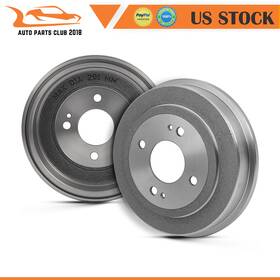
( Brand: Apc ), ( Manufacturer Part Number: AP163918C01 ), ( Reference Part Number: Am-1884126273 42610se0010 42610slna00 ), ( Manufacturer Warranty: 1 Year ), ( Replace: Direct Replacement ), ( Packing: 2x Brake Drum ), ( Brake Drum Total Height Mm : 58.9 ), ( Center Hole Diameter Mm : 61.14 ), ( Placement On Vehicle: Rear;left;right ), ( Type: Brake Drum ), ( Material: Cast Iron ), ( Item Height: 58.9 Mm ), ( Item Thicknessl: 200 Mm )
Review APC 2x Brake Drums Honda 92 2000 97 Acura El fits ACCORD CIVIC 1986–1989
Introducing the APC AP163918C01 Brake Drums, engineered to deliver superior performance and durability for your vehicle. These brake drums are specifically designed to fit the 1986-1989 Honda Accord, 1992-2000 Civic, and 1997-2000 Acura EL models.
Crafted from high-quality materials, these brake drums are built to last. The drum structure is robust and resilient, capable of withstanding the demands of daily driving and the occasional aggressive acceleration. The surface of the drums is coated with a specialized, long-lasting finishing process that ensures a smooth and even brake pad contact surface, promoting optimal braking efficiency and longevity.
The APC AP163918C01 Brake Drums are designed to meet or exceed OEM specifications, ensuring a perfect fit and reliable operation. The drums are also machined to exacting tolerances, ensuring a precise fit on your vehicle's axle, and reducing the risk of vibrations or wobbles during braking.
Installation of these brake drums is a straightforward process. Each drum comes complete with the necessary hardware, including studs and nuts, making it easy for you to perform the installation yourself or with the help of a professional mechanic.
In summary, the APC AP163918C01 Brake Drums are the ideal choice for those seeking reliable, high-performing brake components for their Honda Accord, Civic, or Acura EL. With their robust design, long-lasting finish, and precise fitment, these drums are sure to provide you with the confidence and peace of mind you need on the road.
A Detailed Analysis of Buying APC AP163918C01 2x Brake Drums for Honda Accord (1986-1989), Civic (1992-2000), and Acura EL (1997-2000)
Introduction:The APC AP163918C01 2x brake drums are aftermarket parts designed to fit various Honda and Acura models, including the Honda Accord (1986-1989), Civic (1992-2000), and Acura EL (1997-2000). These brake drums come with their advantages and disadvantages, which are essential for potential buyers to consider before making a purchase. In this analysis, we will discuss both the pros and cons of buying these APC brake drums.
Pros:1. Cost-effective: Aftermarket brake drums like the APC AP163918C01 are generally more affordable than their OEM (original equipment manufacturer) counterparts. This can be an attractive option for budget-conscious customers.
2. Wide compatibility: These brake drums can be used in multiple Honda and Acura models, making them a versatile choice for those who own or plan to own various vehicles from these brands.
3. Availability: Aftermarket parts like the APC AP163918C01 are often more readily available than OEM components, especially from local auto parts stores or online retailers.
Cons:1. Quality concerns: Aftermarket parts, in general, may not always meet the same level of quality as OEM parts. There is a risk that these drums may not last as long or perform as well as their OEM counterparts.
2. Potential fitment issues: While the APC AP163918C01 is designed to fit multiple vehicles, there is still a chance that some customers may experience fitment issues. This could result in additional time and cost spent on modifications or returns.
3. Lack of OEM warranty: Aftermarket parts typically do not come with the same warranty coverage as OEM parts. This means that customers may be responsible for any repairs or replacements if the drums fail prematurely.
Conclusion:The APC AP163918C01 2x brake drums offer a cost-effective solution for customers looking to replace their worn-out OEM drums in their Honda Accord, Civic, or Acura EL. However, potential buyers should be aware of the potential trade-offs, such as potential quality concerns, fitment issues, and lack of warranty coverage. Ultimately, the decision to purchase these aftermarket drums depends on one's priorities, budget, and comfort level with aftermarket parts. If customers are concerned about quality, they may prefer to invest in OEM parts, while those looking for affordability and convenience may find the APC AP163918C01 to be an attractive option.
Details:
Drum brakes production costs are comparatively lower. After the springs, washers and pins are pulled out, remove brake shoes. Brake drums are usually removed by moving them back and forth while pulling away from the hub. Remove and Inspect the Brake Drum.
Drums brakes have superior corrosion resistance than discs, and maintenance is required less frequently. Some vehicles use multiple sets of springs to tension the brake shoes. Make sure the brake drum is properly fitted as it may cause problems if not attached. Using a needle nose pliers pull the shoe-retaining springs to remove brake shoes.
Prepare the new drum brake as an initial step while installing. Once the drum is clean, slip it over brake shoes and install onto hub. Install the New Brake Drum. By now, the drum brake must be fully reassembled.
Now its time to measure and inspect the brake components such as shoes, drums. Next, go for the brake drums any scoring, cracking, or grooving. Drums brakes are easier to recondition when compared brake calipers. Drum brakes have built-in self-energizing action; less input force is required such as hydraulic pressure.
Next, remove the rubber access port on backing plate and turn star wheel drum adjuster. Removing the wheel covers. Steps to remove the brake drum. The brake shoe carries the lining, which is riveted or glued.
Disassemble the Brake Drum and Remove Shoes. In case you aren't able to slide the drum, try adjusting brake shoes and then fit drum again. Reinstall the pensioning springs to secure brake shoe. Using stands and a jack to raise support the vehicle.
Before proceeding to disassemble the parts, spray brake cleaner thoroughly on entire assembly. Using a Flathead screwdriver or pliers, remove the parking brake cable retainer clip. Slide the pin through new shoe and reinstall parking brake retaining clip. Now, install the adjusting screw assembly and spring.
When the brake is applied, shoe moves and presses lining against inside of drum. Loosening the lug nuts. Fitment Type. Also, inspect the wheel cylinders for any leaks of brake fluid.
If so, then the wheel cylinders need to be replaced. Now spin the wheel and adjust it through backing plate until brake shoes connect with drum. Drum brakes have a large friction contact surface; therefore, they last longer. ACURA EL 1997 - 2000 model's with 240mm Front Rotor, HONDA ACCORD 1986 1989 CIVIC 1992 Rotor.
Ensure Safety and Prep Your Car. Clean the backing plate with brake cleaner. Start by removing any drum retaining screws or clips and slide off. Use a digital micrometer set to read in inches for inspecting the brake shoes.
Adjust one increment at a time until the drum slides over brake shoes and onto hub properly without excessive resistance. A brake drum is a cylinder attached to cars wheel. In that case, remove the topmost spring, which will loosen overall tension and make other springs easier. Special Features.
Clean and Re-install the Brake Shoes Components. Disengaging the parking brake to remove drum. Install the Wheel and Tire. You can adjust the brake shoes by turning adjuster, or using an adjuster tool.
Also, some brake shoes are pensioned with pins and washers in the place of springs, which can also be pulled using a needle nose pliers. When the brake pedal is pressed, shoes inside drum are pushed outwards to slow vehicle down. Energy is dissipated as heat. Package Include.
2x Brake Drums For 1986 - 1989 Honda Accord 92 2000 Civic 97 2000 ACURA EL. This includes cleaning the drums using a spray as some have thin oil-coated onto them. Tighten the wheel and tire back in place using lug nuts. About Brake Drum And Shoes.
Drum brakes can provide more braking force than disc of comparable diameter. The friction between lining and drum provides the braking effort. Re-install the new brake shoes onto hub, and secure them with pins washers. Clean and Inspect the brakes.
specifications drumhardwarbrak:
- for models: Accord, Civic
- for makes: Honda, Acura
- for years: 1986-1989
- brand: Apc
- mpn: Ap163918c01
- reference part number: Am-1884126273 42610se0010 42610slna00
- manufacturer warranty: 1 Year
- replace: Direct Replacement
- packing: 2x Brake Drum
- brake drum total height mm : 58.9
- center hole diameter mm : 61.14
- placement on vehicle: Rear;left;right
- type: Brake Drum
- material: Cast Iron
- item height: 58.9 Mm
- item thicknessl: 200 Mm
offer drumhardwarbrak:
- options: Ship-to-home
- availability: In Stock
- quantity: 10
- sold: 0
- best offers: True
- started: June 6, 2025
payments drumhardwarbrak:
- other
- credit card: Diners-club
- wallet: Google-pay
returns drumhardwarbrak:
- policy: Returns Accepted
- paid by: Seller
- time: 30 Days
seller drumhardwarbrak:
- rating: 99.2%
- # reviews: 49479
- city: Ontario, California
general drumhardwarbrak:
- Car Truck Parts Accessories > Brakes Brake Parts > Brake Drums
- condition: New
shipping drumhardwarbrak:
- class: Economy
- transit: 4-8 Days
- type: Fixed
- cost: $0.00
- service: FedEx Ground Economy
- carrier: FedEx
Apc AP163918C01 Is Similar To:
- Apc Ap163920c01 2x Brake Drums For 07-09 Chrysler Sebring 08-09 Dodge Avenger 08-17 Jeep Patriot (46.7% similar) Using a needle nose pliers pull the shoe-retaining springs to remove brake shoes. When the brake is applied, shoe moves and presses lining against inside of drum. Also, some brake shoes are pensioned with pins and washers in the place of springs, which can also be pulled using a needle nose pliers. ...(January 2nd, 2025)
- Apc Ap170871c01 2x Rear Brake Drums For 1994 1995 1996 1997 1998 1999 Dodge Ram 1500 Cast Iron (52.7% similar) Install the new brake drum. Drum brakes have a large friction contact surface; therefore, they last longer. After the springs, washers and pins are pulled out, remove brake shoes. Make sure the brake drum is properly fitted as it may cause problems if not attached. Ensure safety and prep your car. ...(January 10th, 2025)
- Apc Ap840032c01 Rear Brake Drums And Shoes Kit For 2009 10 11 2012 Chevrolet Colorado Gmc Canyon (43.5% similar) Brake drums are usually removed by moving them back and forth while pulling away from the hub. Start by removing any drum retaining screws or clips and slide off. Install the new brake drum. Also, inspect the wheel cylinders for any leaks of brake fluid. Using stands and a jack to raise support the ...(January 12th, 2025)
- Apc Ap840039c01 Rear Brake Drums And Shoes Kit For 2000 2001 2002 2003 2004 2005-2008 Ford Focus (45.7% similar) Energy is dissipated as heat. In case you aren't able to slide the drum, try adjusting brake shoes and then fit drum again. Clean and inspect the brakes. Removing the wheel covers. Now spin the wheel and adjust it through backing plate until brake shoes connect with drum. Clean and re-install the ...(January 12th, 2025)
- Apc Ap840036c01 Rear Brake Drums And Shoes Kit For 1994 1995 1996 1997 1998 1999 Dodge Ram 1500 (43.7% similar) By now, the drum brake must be fully reassembled. Special features. Steps to remove the brake drum. This includes cleaning the drums using a spray as some have thin oil-coated onto them. Clean and inspect the brakes. Drum brakes have a large friction contact surface; therefore, they last longer. ...(February 28th, 2025)
- Apc Ap170873c01 Brake Drums Pair For 2000 2001 02 03 2004 Chevrolet Tracker Suzuki Grand Vitara (43.7% similar) Make sure the brake drum is properly fitted as it may cause problems if not attached. Next, go for the brake drums any scoring, cracking, or grooving. Drum brakes have a large friction contact surface; therefore, they last longer. Reinstall the pensioning springs to secure brake shoe. When the brake...(May 2nd, 2025)
- Apc Ap163922c01 2x Brake Drums For 01-07 Ford Taurus 01-05 Mercury Sable 05-07 Mariner (56.3% similar) The friction between lining and drum provides the braking effort. Install the new brake drum. The brake shoe carries the lining, which is riveted or glued. Drum brakes production costs are comparatively lower. Special features. Drum brakes have built-in self-energizing action; less input force is ...(November 24th, 2025)