DYNAMIC FRICTION COMPANY 365-22000 Rear Opel Dfc Balanced 190920012433 Brake Drum
fits year: 1900–1975.
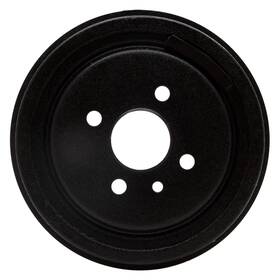
( Brand: Dynamic Friction Company ), ( Manufacturer Part Number: 365-22000 ), ( Part Type: Brake ), ( Product Type: Brakes ), ( UPC: 190920012433 ), ( Fitment Type: Direct Replacement ), ( Compatible Make S : Opel ), ( Compatible Model S : 1900, Manta ), ( Fitnote: With Curved Lever; With Straight Lever ), ( Product Subtype: Brake Drums ), ( Brakes Location: Rear ), ( Product Details: Brake Drum ), ( Series: True Balanced ), ( Department: Replacement )
Review DYNAMIC FRICTION COMPANY Opel Dfc True Balanced Rear Brake Drum fits 1900–1975
Introducing the Dynamic Friction 365-22000, a high-performance brake drum designed specifically for the Opel 1900 model year 1975 with DFC (Drehfreie Konus) balanced rear brakes. This drum is engineered to deliver exceptional braking performance and durability, ensuring a safe and confident driving experience.
The Dynamic Friction 365-22000 brake drum features a state-of-the-art friction material that boasts excellent dynamic friction properties. Dynamic friction, also known as dry friction, is the resistance that two surfaces experience when in contact and moving relative to each other without the presence of a liquid film, such as water or oil. This material is specifically formulated to provide reliable braking performance even in demanding conditions, ensuring your vehicle stops efficiently and effectively.
This brake drum is also balanced to minimize vibrations and ensure smooth operation. Balancing is a critical aspect of brake drum design, as unbalanced drums can lead to unwanted shaking and vibrations, which can adversely affect the overall performance and comfort of your vehicle. The DFC balanced design of this drum eliminates these issues, providing a quiet, stable braking experience.
The Dynamic Friction 365-22000 brake drum is machined to precise dimensions to ensure a perfect fit and optimal performance. This drum is manufactured using advanced techniques and premium materials, ensuring a long-lasting and reliable component that will stand up to the rigors of daily driving.
Installation of the Dynamic Friction 365-22000 brake drum is a straightforward process. Simply remove the old drum, install the new one, and adjust the brake shoes as needed. No additional modifications or adjustments are required, making this an ideal solution for those looking to upgrade their Opel 1900's braking system.
In summary, the Dynamic Friction 365-22000 brake drum is a top-tier component designed to deliver superior braking performance and durability for the Opel 1900 model year 1975 with DFC balanced rear brakes. With its advanced friction material, balanced design, and precise manufacturing, this drum is an excellent choice for those seeking to enhance their vehicle's braking system and ensure a safer, more confident driving experience.
Buying a new dynamic friction brake shoe, part number 365-22000, for the rear brake drum of a 1975 Opel 1900 DFC involves several considerations. Here are some pros and cons to help you make an informed decision.
Pros:1. Improved Braking Performance: New brake shoes will provide better braking performance than worn-out ones. This will ensure that your vehicle stops efficiently and effectively, enhancing safety.
2. Longer Brake Life: By replacing the worn-out brake shoes, you can extend the life of the brake drums and rotors. This can save you money in the long run by reducing the frequency of brake repairs.
3. Smoother Brake Pedal: New brake shoes will provide a smoother brake pedal feel, making your driving experience more comfortable.
4. Safer Driving: Worn-out brake shoes can lead to unsafe driving conditions, such as longer braking distances and reduced braking efficiency. Replacing them with new ones can help you avoid potential accidents.
Cons:1. Cost: Replacing brake shoes can be a significant expense, especially if you have to replace multiple sets. The cost of the brake shoes, labor, and any additional parts or repairs can add up.
2. Time: Installing new brake shoes can take several hours, depending on the complexity of the job and the experience of the mechanic. This can be a inconvenience if you need your vehicle for daily commuting or other important activities.
3. Environmental Impact: The production and disposal of brake shoes can have a negative impact on the environment. Reusing or recycling old brake shoes can help reduce this impact.
Conclusion:Replacing the worn-out brake shoes on your 1975 Opel 1900 DFC with new ones can improve braking performance, extend the life of the brake components, and provide a smoother brake pedal feel. However, it can also be a significant expense and require a considerable amount of time. Considering the pros and cons, if your safety and the longevity of your brake system are a priority, it's recommended to go ahead and replace the brake shoes. If budget and time are a concern, you may want to explore alternative options such as reusing or recycling old brake shoes or delaying the replacement until it becomes absolutely necessary.
Details:
All DFC Brake Drums are coated thickness of 0.015 - 0.04mm with a high temperature black paint in order to withstand salt spray test up 120 hours, allowing cleaner look through the wheels as well offering corrosion protection. Specifications: Quantity: 1 per Pack. This ensures that each brake drum is correctly machined and electronically balanced to further eliminate vibrations guarantee a true fitment. Quality tested to ensure long-lasting performance.
True Balanced Rear Brake Drum by DFC. Black high temperature coating for corrosion protection. Features: Manufactured using castings of superior metallurgy for provability, durability, and reliability. Designed to meet the same form, fit, and function as OEM brake drums.
New in box, ready to install, no modifications required. Machined to the tightest tolerances ensure a proper direct fitment. Lastly, every DFC brake drum passes a 100% inspection station that critical attributes to ensure proper form, fit, and function. Precision cut and mill balanced to ensure proper balance, which eliminates vibrations pedal pulsation.
Manufactured using castings of superior metallurgy, DFC Premium Brake Drums are guaranteed to meet or exceed Ems strict standards for performance, provability and durability.
part #: 36522000 prices
- $65.67-$535.96
specifications drumhardwarbrak:
- for years: 1900-1975
- brand: Dynamic Friction Company
- mpn: 365-22000
- part type: Brake
- product type: Brakes
- upc: 190920012433
- fitment type: Direct Replacement
- compatible make s : Opel
- compatible model s : 1900, Manta
- fitnote: With Curved Lever; With Straight Lever
- product subtype: Brake Drums
- brakes location: Rear
- product details: Brake Drum
- series: True Balanced
- department: Replacement
returns drumhardwarbrak:
- paid by: Seller
- time: 30 Days
- policy: Returns Accepted
seller drumhardwarbrak:
- # reviews: 147524
- city: Long Beach, California
- rating: 99.0%
payments drumhardwarbrak:
- wallet: Google-pay
- credit card: Discover
- other
general drumhardwarbrak:
- Car Truck Parts Accessories > Brakes Brake Parts > Brake Drums
- condition: New
offer drumhardwarbrak:
- availability: In Stock
- quantity: 5
- options: Ship-to-home
- started: February 4, 2026
- sold: 0
shipping drumhardwarbrak:
- class: Standard
- type: Calculated
- service: FedEx Ground / FedEx Home Delivery
- carrier: FedEx
- cost: $37.71
- transit: 3-7 Days
Dynamic Friction Company 365-22000 Is Similar To:
- 365-13004 Dynamic Friction Company Dfc True Balanced Rear Brake 190920012181 (66.3% similar) Make model year true balanced rear brake drum 365-13004 by Dynamic Friction Company. Manufactured using castings of superior metallurgy, dfc premium brake drums are guaranteed to meet or exceed ems strict standards for performance, provability and durability. The Dynamic Friction Company 365-13004 ...(January 7th, 2022)
- 56525py Dynamic Friction For International Brake Hardware Kit (44.6% similar) Low coefficient of Friction. Notes: disc brake hardware kit. New condition...(February 24th, 2022)
- 92236pr Dynamic Friction For Dodge Brake Drum (53% similar) 1977, 1980 -1981, 1985 -1987 dodge D150. 1979 dodge D150. 1982 -1983 dodge D150. Black high temperature coating for corrosion protection. New condition...(February 24th, 2022)
- 365-76042 Dynamic Friction Company Dfc True Balanced Brake Drum (70.7% similar) Precision cut and mill balanced to ensure proper balance, which eliminates vibrations and pedal pulsation. New in box, ready to install, no modifications required. Black high temperature coating for corrosion protection. New condition...(February 26th, 2022)
- 365-40057 Dynamic Friction Company Dfc True Balanced Rear Brake 190920013324 (66.3% similar) True balanced rear brake drum 365-40057 by Dynamic Friction Company. Manufactured using castings of superior metallurgy, dfc premium brake drums are guaranteed to meet or exceed ems strict standards for performance, provability and durability. New condition...(June 15th, 2022)
- Dfc 365-42004 Dynamic Friction Company Brake Drum (51.5% similar) Engineered using the latest technology to ensure product lasts longer in service. Designed specifically for trucks, trailers, and buses. 2010 -2022 inc. Manufactured following strict OE standards to work like the original component. Features a factory-like fit for hassle-free installation. : part ...(August 12th, 2023)
- Dfc 365-63000 Dynamic Friction Company True Balanced Brake Drum (65.3% similar) Designed specifically for trucks, trailers, and buses. Manufactured following strict OE standards to work like the original component. Features a factory-like fit for hassle-free installation. : part number: 365-63000 manufacturer. 2010 -2022 inc. Engineered using the latest technology to ensure ...(October 18th, 2023)
- Dynamic Friction Company 370-54036 For Ford F-100 1964-1967 Dfc Front Drum Brake Hardware Kit (62.2% similar) Features: manufactured using premium materials for longevity and consistent performance. Quality tested to ensure long-lasting performance. Sold as axle kits, not per side. Often overlooked during a brake repair, the drum hardware can be stressed, fatigued, or corroded within 1-2 years, which leads ...(November 8th, 2023)
- Dfc 365-54010 Dynamic Friction Company True Balanced Brake Drum (65.3% similar) Engineered using the latest technology to ensure product lasts longer in service. Manufactured following strict OE standards to work like the original component. : part number: 365-54010 manufacturer. Features a factory-like fit for hassle-free installation. Designed specifically for trucks, ...(November 24th, 2023)
- Dynamic Friction Company 370-80016 For Toyota Yaris 2019-2020 Dfc Rear Drum Brake Hardware Kit (61.9% similar) Designed to meet the same form, fit, and function as oem brake hardware kits. Rear drum brake hardware kit by Dynamic Friction Company. Features: manufactured using premium materials for longevity and consistent performance. Reduces noise and vibration. Minimizes drag to improve fuel efficiency. ...(November 28th, 2023)
- Dfc 365-42006 Dynamic Friction Company True Balanced Brake Drum (65.3% similar) Designed specifically for trucks, trailers, and buses. Manufactured following strict OE standards to work like the original component. Engineered using the latest technology to ensure product lasts longer in service. Features a factory-like fit for hassle-free installation. 2010 -2022 inc. ...(December 9th, 2023)