CARLSON 19016 Disc Brake Pad Wear Sensor Ca
fits model: M3, 325i, 325ci, 325xi. make: Bmw. year: 2001–2006.
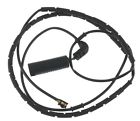
( Brand: Carlson ), ( Manufacturer Part Number: 19016 ), ( Part Type: Pad Brake Sensor ), ( Quantity Sold: Sold Individually ), ( Placement On Vehicle: Rear ), ( Nps: Dni ), ( Engineering Name: Brake Pad Elec Wear Sensor ), ( Product Description Short 20: Whl Kit )
Review CARLSON Disc Brake Pad Electronic Wear Sensor Bmw Ca Price Is Adjust Qty As Needed fits M3 325I 325CI 325XI 2001–2006
High-Performance Carlson BMW M3, 325i, 325ci, and 325xi (2001-2006) Disc Brake Pad Wear Sensors
Introduction:Carlson's BMW disc brake pad wear sensors are meticulously engineered and manufactured to provide an innovative solution for BMW drivers of the M3, 325i, 325ci, and 325xi model years 2001 to 2006. These sensors take the hassle out of frequently checking your brake pads for wear and replacing them at the right time. Combining precision engineering with durable design, these sensors ensure both a smooth driving experience and the utmost safety on the road.
Design and Functionality:The Carlson BMW disc brake pad wear sensors are designed as an original equipment replacement, ensuring a perfect fit and seamless integration into your vehicle's brake system. These sensors utilize a magnetic switch design, which continuously monitors the wear level of the brake pads and activates the ABS warning light when the pads reach a predetermined level of wear. This advanced technology enables you to replace your brake pads at the optimal time, preventing potential safety issues and extending the lifespan of your brake system.
Quality and Materials:Carlson's disc brake pad wear sensors are constructed using high-quality materials and state-of-the-art manufacturing techniques. The sensors are made from durable, corrosion-resistant materials, ensuring they withstand the harsh conditions of your BMW's brake system. Additionally, these sensors are designed to be OEM (original equipment manufacturer) compliant, ensuring a perfect fit, superior functionality, and long-lasting performance.
Installation and Compatibility:Installing Carlson BMW disc brake pad wear sensors is a straightforward process. These sensors fit directly into the existing sensor location on your vehicle, requiring no modifications to your brake system or wiring. When it comes to compatibility, these sensors are specifically designed for use with the following BMW models: M3 (2001-2006), 325i, 325ci, and 325xi (2001-2006). This extensive compatibility ensures that Carlson's sensors cater to a wide range of BMW drivers, contributing to peace of mind and a better driving experience.
Conclusion:Carlson's BMW M3, 325i, 325ci, and 325xi (2001-2006) disc brake pad wear sensors offer a practical, reliable, and high-performance solution for monitoring the wear of your brake pads. Their continuous monitoring system ensures you'll always be informed when it's time for a replacement, maintaining both driving pleasure and safety. With Carlson's commitment to quality, durability, and OEM compatibility, these sensors represent an excellent investment for any BMW driver.
Buying a 2001-2006 BMW M3, 325i, 325ci, or 325xi disc brake pad wear sensor (Carlson part number 19016) can be a viable option for those looking to improve their vehicle's safety and maintenance capabilities. below are some potential advantages and disadvantages of this modification.
Advantages:1. Enhanced Safety: The wear sensor helps monitor disc brake pad thickness and triggers the ABS warning light when the pads reach a critical threshold. This warning signifies it's time to replace the brake pads before they wear out completely, ensuring safer braking performance.
2. Improved Braking Consistency: By detecting and alerting you to pad wear early, you can make more informed decisions regarding brake maintenance, leading to more consistent braking performance and responsiveness over time.
3. Convenience: The wear sensor takes the guesswork out of determining when to replace your brake pads, saving you potential frustration and uncertainty.
Disadvantages:1. Cost: Original BMW wear sensors can be more expensive than the regular disc brake pads. Generally, you may pay around 20-30% more for the sensor compared to the standard brake pad set.
2. Installation Complexity: Installing the wear sensor might be more complicated than merely changing your regular brake pads. This could require additional time and expertise, potentially increasing the overall cost of the modification.
3. Potential Malfunctions: As with any electrical component, there is a possibility that the wear sensor could malfunction, causing an unnecessary warning message or false positives. Regularly checking the sensor and maintaining it accordingly may be necessary to avoid additional costs and inconvenience.
Conclusion:Adding a BMW disc brake pad wear sensor (Carlson part number 19016) can have several advantages, such as enhanced safety, improved braking consistency, and peace of mind. However, it also comes with some disadvantages, such as added cost, installation complexity, and potential malfunctions. The decision to purchase one ultimately depends on your personal priorities, budget, and comfort level with automotive DIY projects.
If you choose to go ahead with the installation, ensure proper research and consultation with a trusted mechanic or parts supplier to ensure a successful installation process. Proper maintenance and upkeep of the sensor will help maximize its benefits and optimize your driving experience.
It's essential to weigh the pros and cons and consider your unique vehicle usage and preferences before making your decision. Ultimately, if you value the additional safety and convenience features offered by the disc brake pad wear sensor, it might be a sound investment for you.
Details:
Step the link to initiate a return and follow prompts.
This parts position is rear. Est, Mon to sat. A1 Cardin products are the highest quality remanufactured parts in automotive aftermarket.
Repair manuals and electrical components are not returnable if they opened.
Use the message system only to communicate, as this gives an added level of protection and security.
We care about you and your vehicle.
Through reverse engineering, our engineers pinpoint original equipment design weaknesses examining common wear areas.
Carlson quality brake parts supplied your vehicles manufacturer with the wear sensor.
part #: 19016 prices
- $14.99-$36.99
specifications drumhardwarbrak:
- for models: M3, 325i, 325ci, 325xi
- for makes: Bmw
- for years: 2001-2006
- brand: Carlson
- mpn: 19016
- part type: Pad Brake Sensor
- quantity sold: Sold Individually
- placement on vehicle: Rear
- nps: Dni
- engineering name: Brake Pad Elec Wear Sensor
- product description short 20: Whl Kit
Shipping drumhardwarbrak:
- cost: $0.0
- handling: 1 days
- type: Flat
General drumhardwarbrak:
- condition: New
- in stock: Yes
- motors > partsaccessories > cartruck parts > brakes motors > drumshardware brakes
Seller drumhardwarbrak:
- city: Azusa, California
- zipcode: 91702
Returns drumhardwarbrak:
- time: 30 Days
- details: Restocking fee: No
- paid by: Buyer
- policy: returns accepted
- type: Money Back
Ratings:
- Good product! Direct fit! 03-10-17
- Recieved item as described and with fast shipping. Recommend this seller. 03-07-17
- Didn't fit 03-08-17
- A 03-07-17
- Happy with item fast shipped 03-07-17
Payments drumhardwarbrak:
- PayPal
Offer drumhardwarbrak:
- quantity: 2
- Started: March 10, 2017, 12:46 pm
- best offer: false
- bids: 0
- Sold: 0
Carlson 19016 Is Similar To:
- 12503 Carlson Drum Brake Self (58.8% similar) We care about you and your vehicle. This part fits vehicles made in the following years 1983 , 1984 , 1985 , 1986 , 1987 , 1988 , 1989 , 1990 , 1991 , 1992 , 1993 , 1994 , 1995 , 1996 , 1997 , 1998 , 1999 , 20 2001 . Repair manuals and electrical components are not returnable if ...(March 28th, 2017)
- 12508 Carlson Drum Brake Self Adjuster Repair Kit Fits Nissan Sentra (41.1% similar) You won't be disappointed. Our team of certified car quest counter pros are Best in the biz. So forget the rest and try Best...(January 9th, 2019)
- 12517 Carlson Drum Brake Self Adjuster Repair Kit Rear Right Fits (44.2% similar) Our team of certified car quest counter pros are Best in the biz. You won't be disappointed. So forget the rest and try Best...(November 14th, 2018)
- 12520 Carlson Drum Brake Self Adjuster Repair Kit 085499118627 (45.5% similar) Our expertise your car is one of most important investments so we treat vehicle as the asset it. Your satisfaction is our motivation. Just the option...(May 28th, 2018)
- 12532 12533 Carlson Drum Brake (52.2% similar) Carlson drum brake self adjuster repair kits for both left right rear...(November 8th, 2017)
- 12537 Carlson Drum Brake Self Adjuster Repair Kit Fits Honda Accord (45.3% similar) When cars breakdown, car owners are left with little alternative than to fix them up again...(September 30th, 2018)
- 12538 Carlson Drum Brake Self Adjuster Repair Kit Rear Left Fits (42.7% similar) Our team of certified car quest counter pros are Best in the biz. You won't be disappointed...(January 9th, 2019)
- 12539 Carlson Drum Brake Self (58.8% similar) Our team of certified car quest counter pros are Best in the biz. So forget the rest and try Best. You won't be disappointed...(August 10th, 2017)
- 12546 Carlson Drum Brake Self Adjuster (57.1% similar) These items are not returnable: - custom orders auto manuals electrical parts and components opened gasket packages damaged or used...(February 23rd, 2017)
- 12547 Carlson Drum Brake Self (55.9% similar) Drum brake self adjuster repair kit Carlson fits Honda civic...(January 15th, 2018)
- 12548 Carlson Drum Brake Self (55.9% similar) ...(June 21st, 2017)